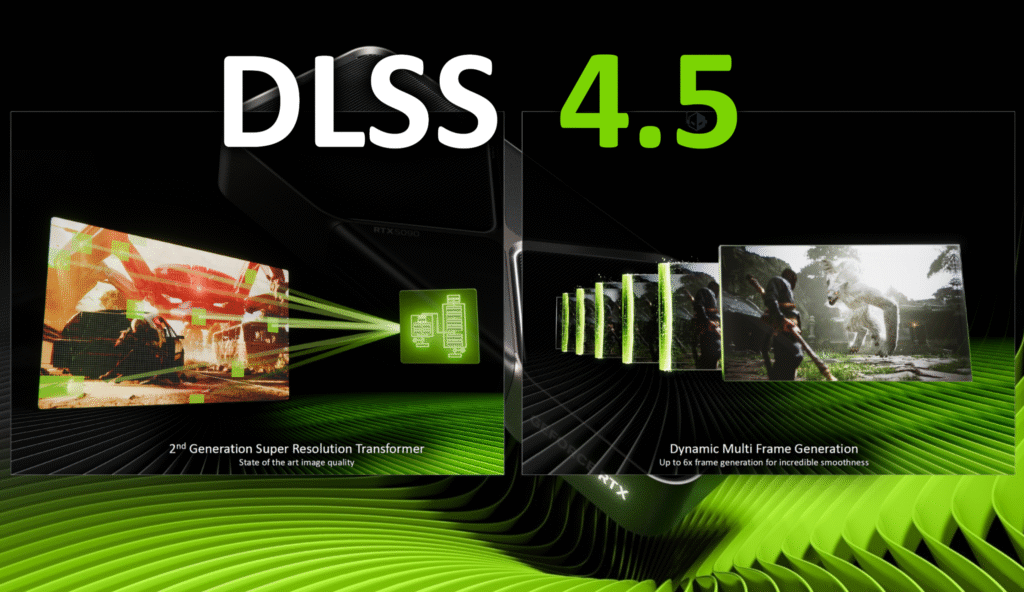
When NVIDIA talks about DLSS, it’s never just a small update. Over the years, DLSS has quietly changed how modern PC gaming works, especially for players who want high frame rates without sacrificing image quality. With DLSS 4.5,NVIDIA is pushing that idea even further by introducing 6× Frame Generation along with noticeable improvements in image clarity.
At first, I was skeptical. Bigger numbers in tech announcements don’t always translate to real-world improvement. But once you understand what DLSS 4.5 actually brings to the table, it becomes clear that this update is more than just marketing.
- A Quick Recap: What Is DLSS?
- The Big Headline: 6× Frame Generation
- You might also like
- Does It Feel Real in Actual Gameplay?
- Improved Image Quality: Not Just More Frames
- Latency and Responsiveness
- Hardware and Game Support
- Who Benefits the Most from DLSS 4.5?
- Is This the Future of PC Graphics?
- Final Thoughts
- Frequently Asked Questions (FAQ)
A Quick Recap: What Is DLSS?
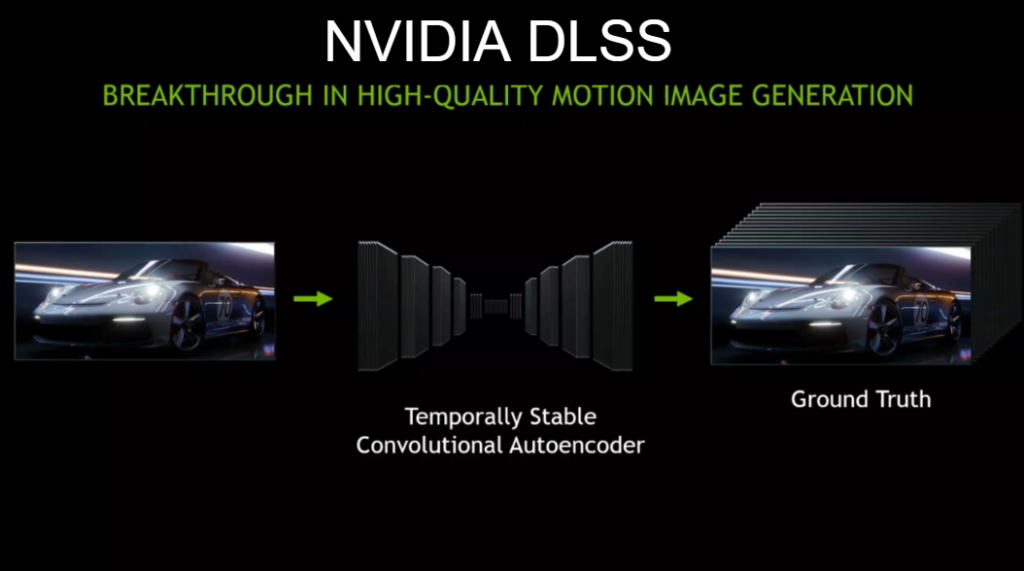
DLSS (Deep Learning Super Sampling) is NVIDIA’s AI-powered rendering technology. Instead of rendering every frame at full resolution, DLSS uses AI to upscale lower-resolution frames into high-quality images. This approach boosts performance while keeping visuals sharp.
Earlier versions of DLSS focused mainly on:
- Upscaling resolution
- Reducing GPU load
- Improving frame rates without major visual loss
DLSS 3 introduced Frame Generation, which was a big leap. DLSS 4.5 builds directly on that foundation.
The Big Headline: 6× Frame Generation
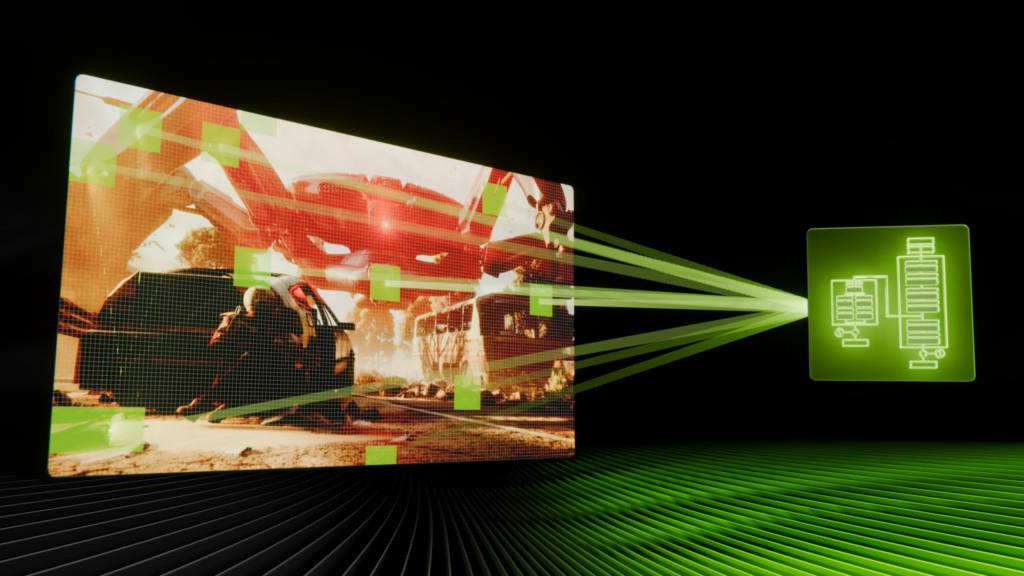
The most talked-about feature in DLSS 4.5 is 6× Frame Generation. So what does that actually mean?
In simple terms, NVIDIA’s AI now generates up to six frames for every traditionally rendered frame. These frames are created using motion data, previous frames, and deep learning models trained on massive datasets.
Earlier DLSS versions typically worked at lower frame multiplication levels. With 6× generation, the GPU does significantly less raw rendering work while still delivering very high frame rates on screen.
For gamers, this means:
- Much smoother gameplay
- Higher FPS even in demanding scenes
- Better performance in ray-traced games
You might also like
Simple Tech Upgrades That Made My Home Office More Efficient
Top Tech Gadgets Tested in Poland’s Daily Life Conditions
OnePlus 15R Review: Massive Battery Life but Is the Value Really Unbeatable?
Does It Feel Real in Actual Gameplay?
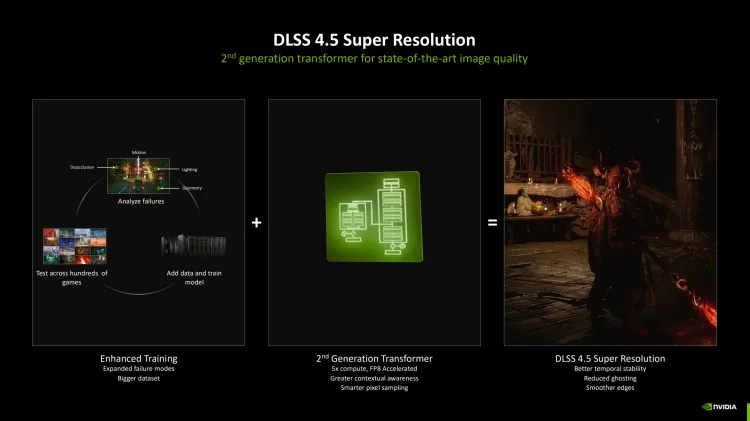
This is the most important question.
From a practical perspective, DLSS 4.5 feels designed for high-refresh-rate gaming. On modern monitors, especially 144Hz and above, the smoothness is noticeable. Camera pans feel cleaner, fast movements look more fluid, and heavy scenes no longer cause sudden frame drops as often.
What impressed me most is that the AI-generated frames feel more stable than earlier implementations. Ghosting and motion artifacts, which some players noticed in earlier Frame Generation versions, appear reduced.
Improved Image Quality: Not Just More Frames
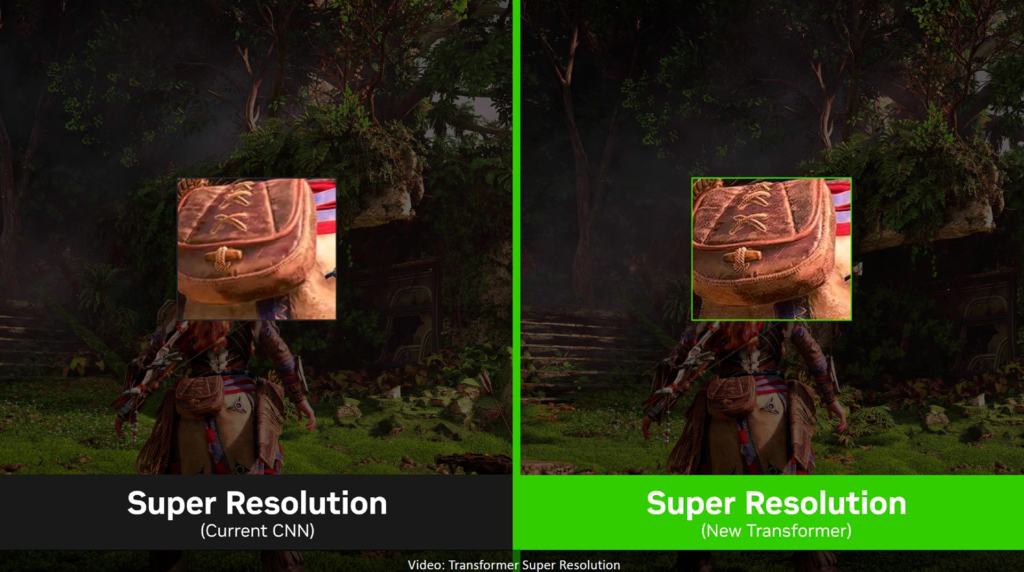
DLSS 4.5 is not only about performance. NVIDIA has clearly focused on image quality improvements, which is something users have been asking for.
Key visual improvements include:
- Better edge clarity
- Reduced flickering in fine details
- More stable textures during motion
- Improved handling of transparent objects like hair, foliage, and glass
Earlier DLSS versions sometimes struggled in complex scenes with fast motion. DLSS 4.5 handles these situations more gracefully, making the AI upscaling less noticeable.
Latency and Responsiveness
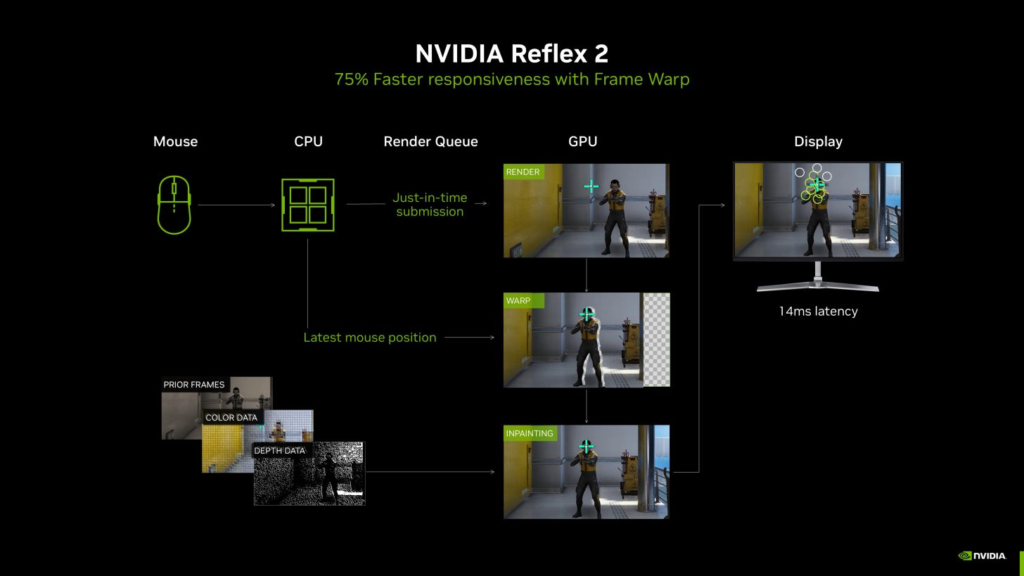
One concern with higher frame generation has always been latency. NVIDIA continues to pair DLSS with NVIDIA Reflex, which helps reduce input lag.
While frame generation technically adds processing steps, the combination of DLSS 4.5 and Reflex keeps gameplay responsive enough for most players. Competitive gamers may still prefer native rendering in esports titles, but for cinematic single-player games, DLSS 4.5 strikes a strong balance.
Hardware and Game Support
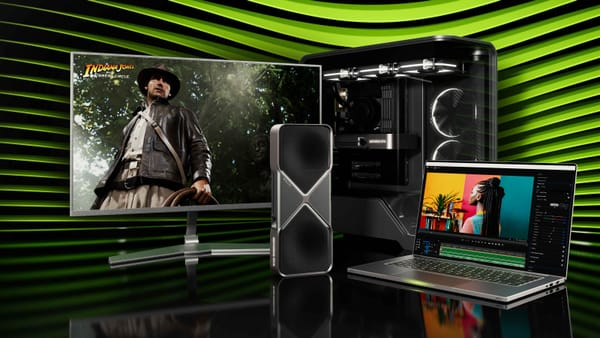
DLSS 4.5 is expected to work best on newer RTX GPUs, especially those with advanced AI cores. While NVIDIA hasn’t positioned it as a replacement for raw GPU power, it clearly favors modern hardware.
Game support will play a big role. DLSS features always depend on developer integration, and titles that fully support DLSS 4.5 will benefit the most. Historically, NVIDIA has been strong in pushing adoption, so support is likely to grow quickly.
Who Benefits the Most from DLSS 4.5?
DLSS 4.5 makes the most sense for:
- Players using 1440p or 4K displays
- Gamers who enable ray tracing
- Users with high-refresh-rate monitors
- Single-player and cinematic gaming fans
If you’re playing modern AAA games and want smooth visuals without constant settings tweaking, DLSS 4.5 is a meaningful upgrade.
Is This the Future of PC Graphics?
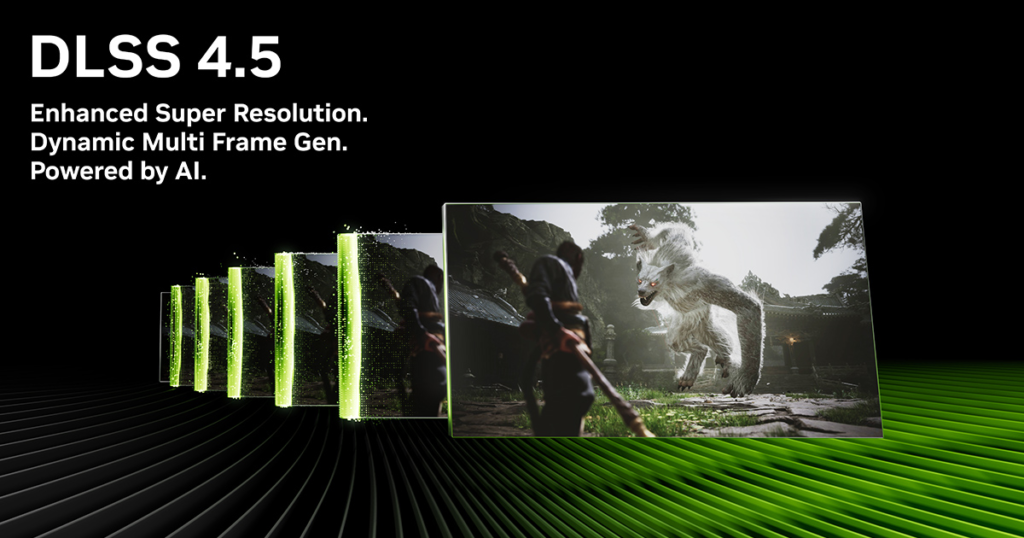
DLSS 4.5 reinforces a trend that’s becoming impossible to ignore: AI-driven rendering is the future. Instead of relying purely on brute-force GPU power, NVIDIA is leaning heavily on software intelligence.
This approach doesn’t replace powerful hardware, but it extends what that hardware can do. DLSS 4.5 feels like another step toward making high-end visuals more accessible, even as games become more demanding.
Final Thoughts
DLSS 4.5 isn’t just a minor update. The introduction of 6× Frame Generation, combined with improved image quality, shows how far NVIDIA’s AI rendering has evolved.
While it won’t magically fix every performance issue, it does make modern games smoother, more stable, and more visually consistent. For players with supported hardware, DLSS 4.5 feels like a practical upgrade rather than a theoretical one.
If NVIDIA continues refining this technology, the line between native rendering and AI-enhanced visuals will only get thinner. And honestly, that’s not a bad thing for gamers.
#NVIDIADLSS #DLSS45 #FrameGeneration #PCGaming #GamePerformance #AIUpscaling #RTXGraphics #GamingTechnology #NvidiaUpdates #NextGenGaming #Carrerbook #Anslation