
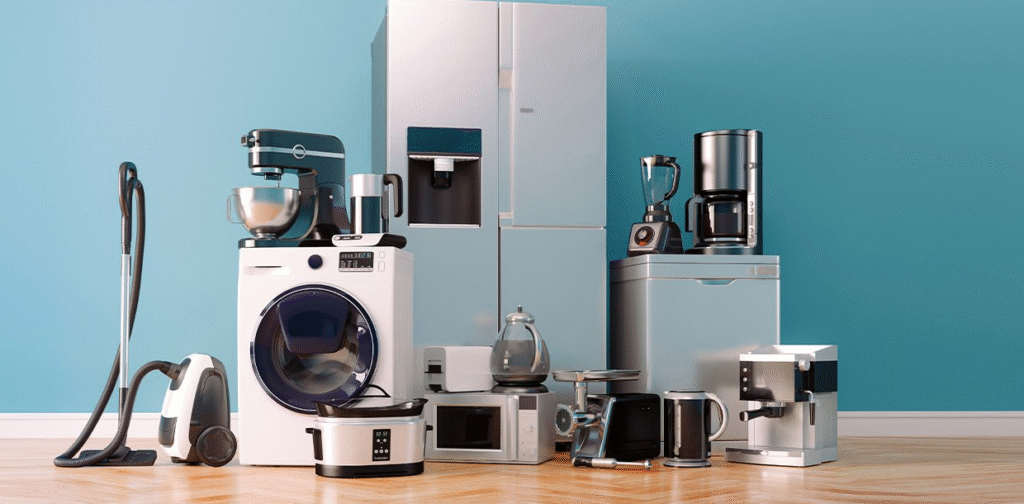
Equipping a kitchen doesn’t require clearing out store shelves or snapping up every high-tech appliance making the rounds on social media. At its core, a functional kitchen relies on a thoughtfully chosen set of reliable, versatile tools that simplify meal prep, save time, and make spending time at the stove genuinely pleasant.
It is easy to get overwhelmed by the sheer volume of choices available today. Walk into any home goods store or scroll through an online storefront, and you will find thousands of products claiming to revolutionize the way you cook. Bright packaging, steep discounts, and flashy feature lists make it tempting to fill your cart. However, a low price tag does not automatically equal true value, and an eye-watering price tag is no guarantee of superior quality. The most effective approach to building a great kitchen setup is grounded in practicality: understanding your personal cooking habits, prioritizing durability over novelty, and making intentional purchases that fit both your culinary routine and your budget.
Start by Auditing Your Real Cooking Habits
Before you start comparing prices or reading product specifications, take a step back and analyze how your kitchen actually gets used on a day-to-day basis. Every household has unique cooking habits, and what works brilliantly for a family of five who cooks from scratch every evening might be completely unnecessary for a busy professional who prepares quick, simple meals on weekdays.
Ask yourself what you find yourself reaching for most often during a typical week. Do you spend a lot of time chopping vegetables and simmering sauces? Are you big on meal prepping over the weekend? Or do you rely mostly on quick stovetop sears and simple baked dishes?
When you base your purchasing decisions on real-world habits rather than ideal scenarios, you avoid buying specialized gear that sounds great in theory but ends up taking up precious cabinet space.
A practical inventory of everyday essentials usually centers around four core categories:
- Core Cookware: A well-rounded setup rarely requires dozens of pots and pans. For most everyday meals, a high-quality 10- or 12-inch frying pan, a medium saucepan with a lid, and a larger stockpot cover nearly all the bases.
- Essential Prep Gear: Food preparation is where you spend a huge portion of your time in the kitchen. A sharp, well-balanced chef’s knife, a smaller paring knife for detail work, and a sturdy, non-slip cutting board will handle ninety percent of your prep tasks smoothly.
- Targeted Small Appliances: Gadgets like high-speed blenders, food processors, or air fryers can be massive time-savers, but only if they align with what you actually like to eat. If you rarely make smoothies or dips, a bulky blender will quickly become counter clutter.
- Organization and Basics: Quality clear storage containers keep dry goods fresh and leftovers visible, reducing food waste. Pair these with a few heat-resistant silicone spatulas, wooden spoons, and sturdy locking tongs.
Keeping a straightforward checklist in mind keeps your focus sharp and prevents impulse buys when you come across tempting store displays or online flash sales.
Evaluating Small and Large Appliances Realistically
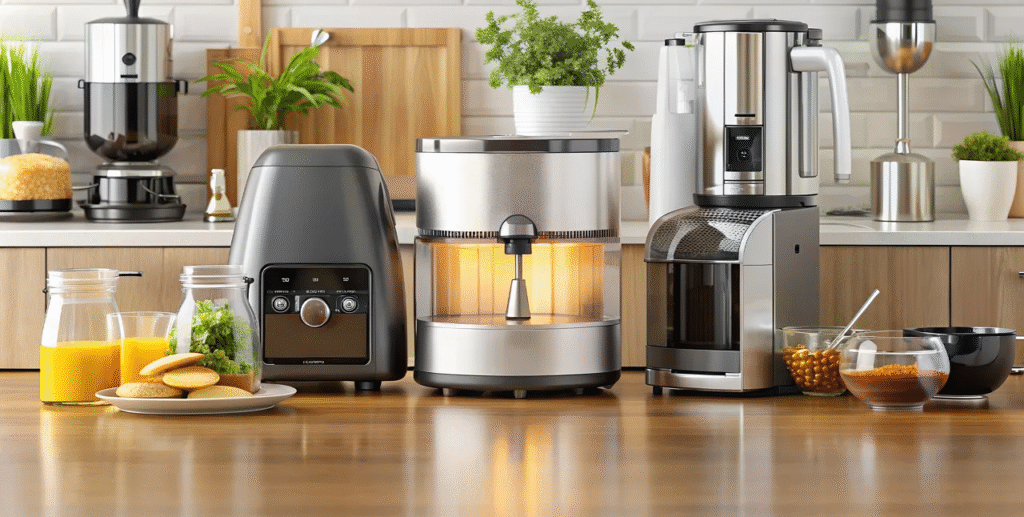
Kitchen appliances represent a significant portion of any home budget. While the right appliance can make meal prep faster and far more convenient, picking the wrong one often leads to regret.
It is easy to be swayed by appliances that boast endless pre-set programs, digital touchscreens, and complex attachments. Yet in practice, the most successful appliances are those that do a few core jobs exceptionally well while remaining simple to operate and clean. An appliance with dozens of settings that requires twenty minutes of tedious hand-washing afterward will inevitably end up tucked away in a dark corner of a pantry, rarely to see the light of day.
When evaluating potential appliance purchases, keep these practical factors in mind:
Look Beyond the Base Price
When comparing different models, look at the entire package rather than just the headline price. A slightly more expensive food processor might come with extra shredding discs, a dough blade, and a longer motor warranty that would cost significantly more to buy piecemeal later on. Calculate the overall utility rather than just looking for the lowest entry cost.
Explore Refurbished and Open-Box Options
If you have your eye on a higher-end appliance brand known for longevity, look into certified refurbished or open-box units sold directly by reputable retailers or the manufacturer itself. These products are thoroughly inspected, tested, and restored to original factory standards, often selling at a substantial discount compared to brand-new units. Just be sure to verify that they come with a valid warranty and a clear return policy.
Factor in Energy and Long-Term Operating Costs
For appliances that run frequently or operate for long stretches—like refrigerators, slow cookers, or countertop ovens—energy consumption matters over time. Checking efficiency ratings can give you a better picture of what the unit will actually cost to run over its lifespan. Paying a little more upfront for a well-engineered, energy-efficient model often pays for itself through lower utility bills down the road.
Why Quality Trumps Quantity in the Kitchen

One of the most common marketing traps in kitchenware is the massive multi-piece set. A 15-piece knife block or a 20-piece cookware collection looks like an incredible bargain on paper because the cost per piece seems so low.
In reality, however, multi-piece sets are often packed with filler items designed to inflate the piece count. A massive block set might include five different specialized knives you will almost never use, while the main chef’s knife is made of lightweight, lower-grade steel that loses its edge quickly. Similarly, a massive cookware set might include tiny pots or specialized pans that simply sit idle while you use the same two main frying pans over and over.
A far better approach is to buy individual, higher-quality items piece by piece, tailored specifically to how you cook. Investing in one exceptional, heavy-bottomed stainless steel or cast-iron skillet will deliver far better cooking results—and last decades longer—than a cheap four-pan set made of thin metal that warps under high heat.
Look out for multi-use workhorses that handle several jobs with ease. A classic Dutch oven, for instance, can be used to sear meat on the stovetop, braise stews in the oven, bake crusty loaves of bread, or deep-fry foods. A single piece of gear that performs multiple functions effortlessly frees up valuable cabinet space and gives you far better return on your investment.
Smart Research: Spotting Authentic Reviews and Avoiding Hype
The internet offers endless access to product feedback, but navigating customer reviews requires a discerning eye. Social media trends and viral videos can make a specific cookware brand or single-use gadget look like an absolute must-have overnight, only for buyers to discover weeks later that the item doesn’t live up to the online hype.
When researching potential purchases, try to look past the initial unboxing reactions and immediate five-star ratings. Look for detailed, long-term feedback from buyers who have used the product regularly for six months or a year. Pay attention to recurring patterns in customer comments:
- Build Quality and Durability: Do reviewers mention handles coming loose, non-stick coatings peeling, or plastic gears stripping over time?
- Ease of Cleaning: Are there tight crevices where food residue gets trapped? Are the removable parts truly dishwasher safe, or do they warp in heat?
- Real-World Performance: Does a pan heat evenly across its entire surface, or does it create harsh hot spots that scorch food?
- Noise Levels and Storage: Is an appliance loud enough to be disruptive during use? Is it surprisingly heavy or awkwardly shaped to store in standard cabinets?
Reading through practical, balanced feedback helps you set realistic expectations and spot flaws that manufacturer marketing materials naturally gloss over.
Building Your Setup Gradually and Mindfully

Equipping a great kitchen is a marathon, not a sprint. You do not need to replace your entire collection of kitchenware at once, nor do you need to buy every recommended tool on day one.
The smartest strategy is to upgrade your kitchen piece by piece as your needs evolve and your budget allows. Start by identifying the items in your current setup that are worn out, unsafe, or actively making cooking frustrating—such as a warped pan with a peeling non-stick surface or a dull knife that slips while chopping. Replacing those high-frequency pain points brings immediate, daily improvements to your routine.
By setting up a prioritized list of genuine needs rather than reacting to temporary sales or social media hype, you build a lean, efficient, and highly enjoyable cooking space. A well-curated kitchen filled with a few exceptional, comfortable tools will always serve you better than a room overflowing with single-use gadgets you rarely touch.
FAQ’s
1. How can I find the best kitchen deals?
Compare prices, features, reviews, and warranties before buying.
2. What kitchen appliances are worth buying?
Choose appliances that match your cooking habits and provide regular everyday value.
3. How can I save money on kitchen products?
Shop during sales, compare retailers, and prioritize products you actually need.
4. Should I buy expensive kitchen tools?
Not always. Focus on quality, durability, usefulness, and overall value.
5. What should I check before buying a kitchen appliance?
Check size, energy efficiency, features, cleaning requirements, warranty, and total cost.